


Why Are Diabetic Test Strips So Expensive?


Why Are Diabetic Test Strips So Expensive? Understanding the High Costs
"Why are diabetic test strips so expensive?" This question is at the forefront of discussions on diabetes management. Diabetic test strips, crucial for monitoring blood glucose levels, stand as indispensable tools for individuals managing diabetes. These small yet critical components enable timely decisions on diet, exercise, and medication, playing a vital role in preventing both acute and long-term complications associated with diabetes. Beyond individual health, the affordability and accessibility of diabetic test strips influence public health outcomes and healthcare costs on a broader scale.
However, many individuals find the high cost of diabetic test strips severely limits their ability to maintain consistent and accurate monitoring of their glucose levels. This financial burden is particularly daunting for those without insurance or those under high-deductible health plans, who may face the full cost out-of-pocket. The challenge of affording these essential supplies not only poses an economic issue but also stands as a significant barrier to effective diabetes management, potentially leading to worse health outcomes and increased healthcare expenses.
The question, "Why are diabetic test strips so expensive?", opens up a complex discussion involving various factors such as the costs of research, development, manufacturing, the intricacies of healthcare and insurance systems, and the impact of market competition and brand dominance. This article aims to delve into these contributing factors, seeking to demystify the reasons behind the high pricing of diabetic test strips. By uncovering the underlying causes, we aim to equip readers with knowledge to navigate these challenges more effectively and explore avenues to make diabetic test strips more accessible and affordable.
Current Top Explanations Why Test Strips Are Pricey
When searching for "Why are diabetic test strips so expensive?" online, several explanations pop up. These perspectives, while shedding light on certain aspects of the pricing dilemma, often miss the broader complexity of the issue. Here, we explore the top explanations offered by leading sources and delve deeper into what truly drives the cost of diabetic test strips.
1. Negotiations Between Manufacturers and Insurers
According to the New York Times, "The costliness of diabetic test strips is attributed to behind-the-scenes negotiations between manufacturers and insurers, resulting in inflated sticker prices for uninsured individuals and those with high deductibles." This highlights the impact of the healthcare supply chain dynamics on the retail pricing of test strips, a critical factor often overlooked by consumers.
2. Research and Development Costs
The Auburn Examiner sheds light on another dimension, stating, "A diabetes test strip can easily cost more than $2 a strip, something that large companies say is due to the amount of research they have to do for enhancing their product." This explanation emphasizes the high costs associated with developing and improving these essential medical supplies.
3. Complicated Negotiations
Beyond Type 1 points out, "This is because of complicated negotiations health insurance companies, pharmacy benefit managers, and manufacturers do every year." It underscores the complexity of the agreements that ultimately influence the final price consumers pay for test strips.
Beyond the Surface: True Cost Drivers of Diabetic Test Strips
While the above explanations are technically true and provide insight into some of the factors affecting prices, they only scratch the surface of a much more complex picture. The diabetic test strip market is influenced by a myriad of factors, including but not limited to manufacturing costs, regulatory requirements, and market dynamics like supply and demand.
- Manufacturing, Research, and Development: Beyond the initial explanations, it's important to consider the continuous investment in innovation and quality control to meet regulatory standards and ensure patient safety.
- The Role of Middlemen: The chain from production to patient involves numerous entities, each adding to the cost. Understanding their roles helps illuminate why reducing prices isn't straightforward.
- Brand Influence and Market Competition: The choice of brand and the level of competition within the market also play significant roles in determining prices. How companies position their products and negotiate with retailers and insurers can lead to significant price variations.
By considering these additional layers, we can begin to appreciate the full scope of why diabetic test strips are so expensive and explore more nuanced solutions to address this challenge.
Key Takeaways: Understanding the High Cost of Diabetic Test Strips
When exploring the question, "Why are diabetic test strips so expensive?", it's essential to consider the following critical factors that contribute to their high cost:
1. Manufacturing and Development Costs
The process of creating diabetic test strips involves intricate research and development, alongside sophisticated manufacturing techniques. This includes not only the production of the strips themselves but also the technology within blood glucose meters that read these strips, contributing significantly to the overall cost.
2. Complex Supply Chain
A variety of middlemen, including pharmacies, health insurance companies, and Pharmacy Benefit Managers (PBMs), play a role in the distribution and pricing of diabetic test strips. Each layer of this supply chain adds additional costs, from logistics and handling to profit margins, which are then passed on to the consumer.
3. Brand and Market Dynamics
The brand of blood glucose meter and test strips you choose can also impact the price significantly. Brand recognition, marketing strategies, and the competitive landscape within the market influence pricing, with some brands commanding a premium due to perceived quality or market dominance. By understanding these key factors, readers can gain insight into the complexities behind the pricing of diabetic test strips and why these essential tools for managing diabetes come with a high price tag. This knowledge not only sheds light on the economic and market dynamics at play but also empowers individuals to make informed decisions when selecting diabetes management supplies.

1. Test Strip Manufacturing, Research & Development Costs: Understanding the Complexity
The Evolution of Diabetic Test Strips: A Journey of Innovation
- Early Beginnings: Before the 1960s, managing diabetes was primarily dependent on less accurate urine tests, which could only indicate glucose levels after they had surpassed a certain threshold. This method was not only indirect but also significantly delayed.
- Introduction of Blood Glucose Monitoring (1960s): The innovation of glucose oxidase-based paper strips was a groundbreaking development. For the first time, individuals could directly measure blood glucose levels with a simple color change test, although this method introduced subjectivity in interpreting results.
- Digital Integration (1970s-1980s): The advent of electronic glucose meters, capable of reading these color changes on the test strips, marked a significant leap forward. Early devices like the Ames Reflectance Meter began to eliminate the guesswork, providing a digital readout of glucose levels for more precise management.
- Technological Advancements (1980s-1990s): This era saw test strips and meters become more user-friendly, requiring smaller blood samples and delivering quicker results. Innovations included strips that utilized capillary action to automatically draw in the correct amount of blood, simplifying the testing process.
- Continuous Glucose Monitoring (CGM) (2000s-Present): CGM systems have transformed glucose monitoring by providing continuous, real-time glucose readings without the need for regular fingerstick samples, representing the forefront of diabetes management technology.

The Intricacies of Manufacturing Diabetic Test Strips
Manufacturing diabetic test strips is a process that marries intricate biochemistry with advanced engineering. Here's a closer look:
- Substrate Preparation: The journey begins with selecting a durable plastic material as the substrate, which is then coated with a conductive layer of gold or palladium alloy. This meticulous process ensures the strip can accurately convey the electrical signal generated during the glucose reaction.
- Application of Reagents: Critical to the strip's functionality are the enzymes (like glucose oxidase or dehydrogenase) that react with glucose, alongside mediators that transfer electrons to enhance measurement accuracy. The precise deposition of these chemicals is fundamental to the strip's reliability.
- Drying, Cutting, and Assembly: Following the chemical application, strips undergo controlled drying, precise cutting into individual pieces, and assembly within a plastic casing designed for easy insertion into glucose meters. Each step is crucial for ensuring the final product's accuracy and ease of use.
- Calibration and Quality Control: Before reaching consumers, each batch of test strips is rigorously tested and calibrated. This quality control process is vital for ensuring that patients can rely on their test strips for accurate glucose monitoring, a critical component of diabetes management.
- Packaging and Distribution: Finally, the strips are packaged in moisture-protective containers and distributed to pharmacies and hospitals. The packaging includes desiccants to protect the integrity of the strips, ensuring they remain effective until they reach the end-user.
Why It Matters
The history and manufacturing of diabetic test strips reveal a relentless pursuit of accuracy, convenience, and reliability in diabetes management. From the early days of color-changing paper to the latest CGM technology, each advancement reflects a commitment to improving the lives of those with diabetes. This ongoing research and development, coupled with the complex manufacturing process, contribute significantly to the cost of diabetic test strips. Understanding these efforts helps to appreciate not just the price but the value they bring to diabetes care.
2. Middlemen Between You & Your Diabetic Test Strips
Navigating the complex supply chain of diabetic test strips reveals a network of intermediaries, including manufacturers, pharmacies, and online retailers, all playing a role in the final retail price. According to an estimate by the Auburn Examiner, the manufacturing cost of blood glucose test strips could be as low as 15 cents per strip, with suggested profit margins reaching 70% - 80%. While exact figures on manufacturing costs and profit distribution are challenging to pinpoint due to the opaque nature of these financial arrangements, these estimates offer a starting point for understanding the economics at play.
Profit Margin Analysis: Walgreens and Amazon
To illustrate how retail prices reflect these profit margins, we examine the lowest prices available for diabetic test strips at two major outlets: Walgreens and Amazon. This comparison not only sheds light on the profit margins but also on the variance in pricing strategies between traditional and online retail spaces.

Walgreens: Retail Pharmacy
| Test Strip | Price | Per Strip | Profit Margin |
| Abbott FreeStyle Lite | $99.99 | $2.00 | 92.5% |
| OneTouch Verio | $16.99 | $0.57 | 73.7% |
| Accu-Chek Guide | $55.99 | $0.56 | 73.2% |
| Ascensia Contour Next | $35.99 | $0.51 | 60.5% |
| True Metrix | $18.99 | $0.32 | 53.1% |
| CareSens N | NA | NA | NA |
At Walgreens, the profit margins for diabetic test strips vary widely, with the highest recorded at 92.5% for Abbott FreeStyle Lite and the lowest at 53.1% for True Metrix, averaging out to a 70.4% profit margin. These figures suggest a significant markup from manufacturing cost to retail price, highlighting the role of pharmacies as critical middlemen in the supply chain.
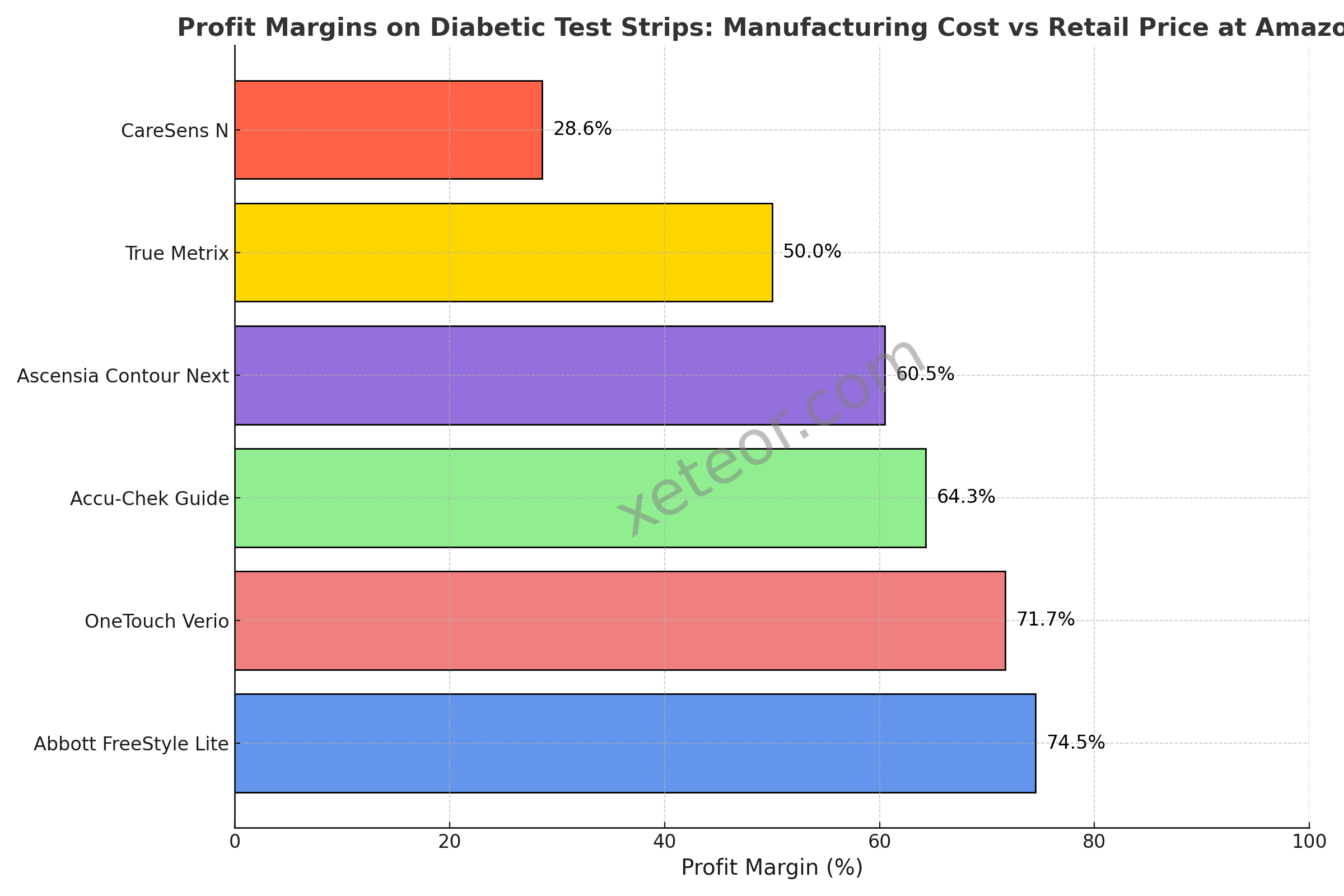
Amazon: Online Retailer
| Test Strip | Price | Per Strip | Profit Margin |
| Abbott FreeStyle Lite | $29.73 | $0.59 | 74.5% |
| OneTouch Verio | $94.99 | $0.53 | 71.7% |
| Accu-Chek Guide | $41.49 | $0.42 | 64.3% |
| Ascensia Contour Next | $26.58 | $0.38 | 60.5% |
| True Metrix | $30.00 | $0.30 | 50.0% |
| CareSens N | $63.74 | $0.21 | 28.6% |
Comparatively, Amazon's pricing presents a different landscape. The highest profit margin stands at 74.5% for Abbott FreeStyle Lite, with the lowest at 28.6% for CareSens N, averaging 58.3%. This variation underscores the competitive pricing that online platforms can offer, though still reflecting substantial markups.
Clarifying the Profit Margin Concept
These examples illustrate the difference between the assumed manufacturing cost and the retail selling price, highlighting the potential profit margin within the retail sector of the supply chain. It's important to note that this 'potential profit margin' does not solely belong to the manufacturer but is instead shared among various intermediaries, including manufacturers, wholesalers, and retailers. Each entity incurs its own costs and contributes to the final retail price, thus sharing in the overall profit margin derived from the product.
Why It Matters
Grasping the dynamics of the diabetic test strip market, from assumed manufacturing costs to intricate retail pricing, sheds light on the affordability challenges of these critical medical supplies. By illuminating the roles of various intermediaries in the pricing structure, this analysis empowers consumers to navigate the market more effectively, making informed decisions that balance cost with quality and reliability in managing diabetes.
Expanding the View: The Full Supply Chain Impact
While our exploration so far has highlighted the significant markups from manufacturing costs to retail prices at Walgreens and Amazon, this is merely the tip of the iceberg. Beyond these visible endpoints lies a complex network of intermediaries, each contributing to the final cost of diabetic test strips. These include wholesalers, Pharmacy Benefit Managers (PBMs), health insurance companies, and Medicare. Let's briefly delve into their roles and impacts, mentioning some of the key players that readers might recognize.
Wholesalers' Role
Major wholesalers like McKesson, Cardinal Health, and AmerisourceBergen serve as crucial conduits, distributing test strips from manufacturers to retailers. These companies negotiate purchase prices with manufacturers, adding a layer of cost that influences the eventual retail price. However, their efficient distribution networks also ensure the widespread availability of test strips across different retail outlets.
Pharmacy Benefit Managers (PBMs)
The PBM landscape is dominated by three major companies: CVS Health (which owns CVS Caremark), Express Scripts, and OptumRx (part of UnitedHealth Group). These PBMs negotiate drug prices and manage pharmacy benefits on behalf of health insurance companies. Their agreements with manufacturers can determine which test strips are more financially favorable for insurance plans, directly impacting consumer access and cost. The role of PBMs is pivotal in shaping the cost structure within the healthcare system, affecting everything from insurance coverage to the retail pricing of test strips.
Health Insurance and Medicare
On the health insurance front, giants like UnitedHealthcare, Anthem, and Humana play significant roles in determining coverage and out-of-pocket expenses for patients. Their coverage decisions, significantly influenced by PBM negotiations, dictate the accessibility and affordability of diabetic test strips. Medicare, providing health coverage to a substantial portion of the population, has specific guidelines for covering diabetic test strips, influenced by these same dynamics.
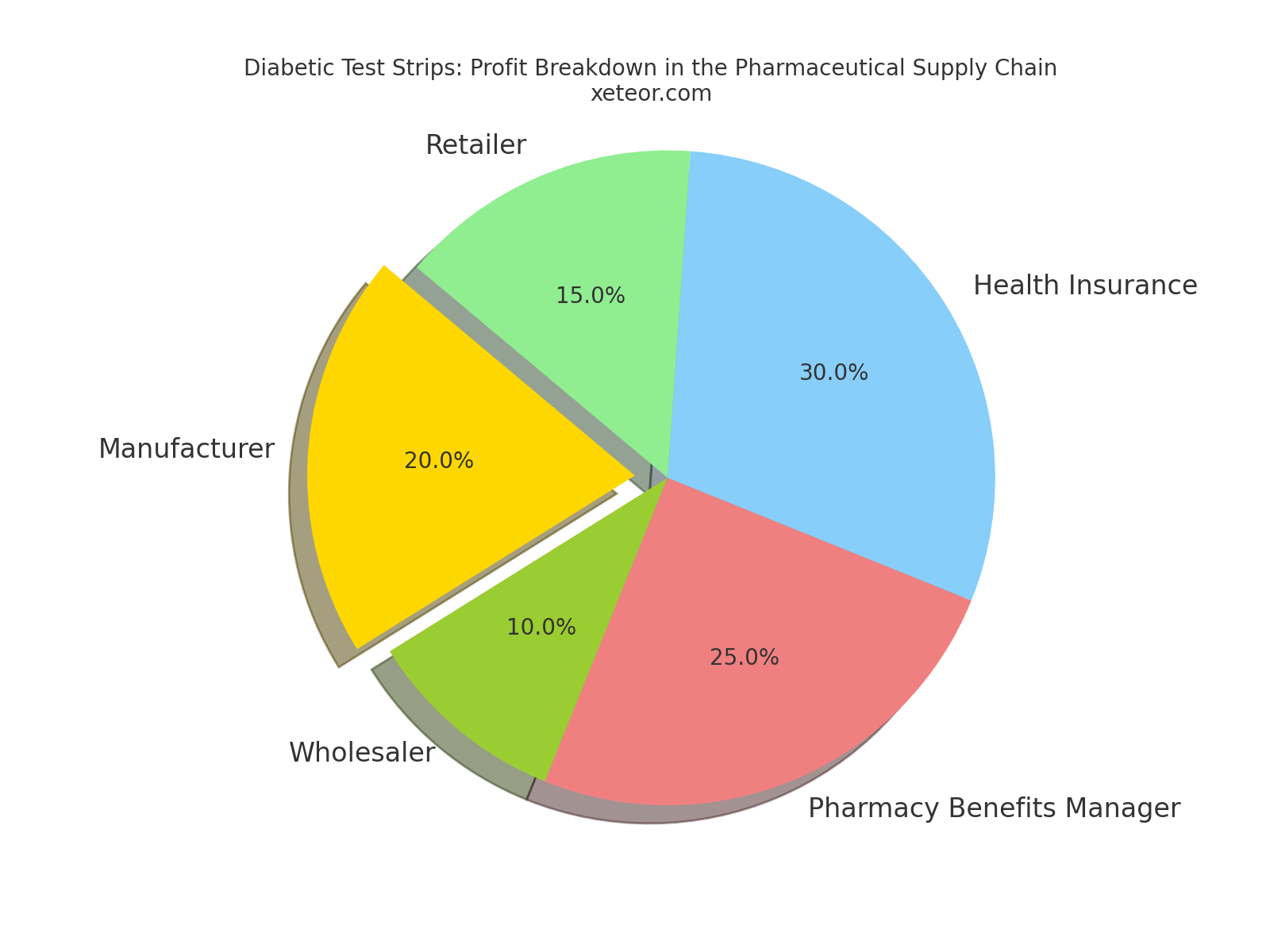
Diabetic Test Strips: Share of the Profit
- Manufacturer 15%
- Wholesaler 10%
- Pharmacy Benefits Manager (PBM): 20%
- Health Insurance 25%
- Retailer 30%
CareSens N Test Strips: An Anomaly
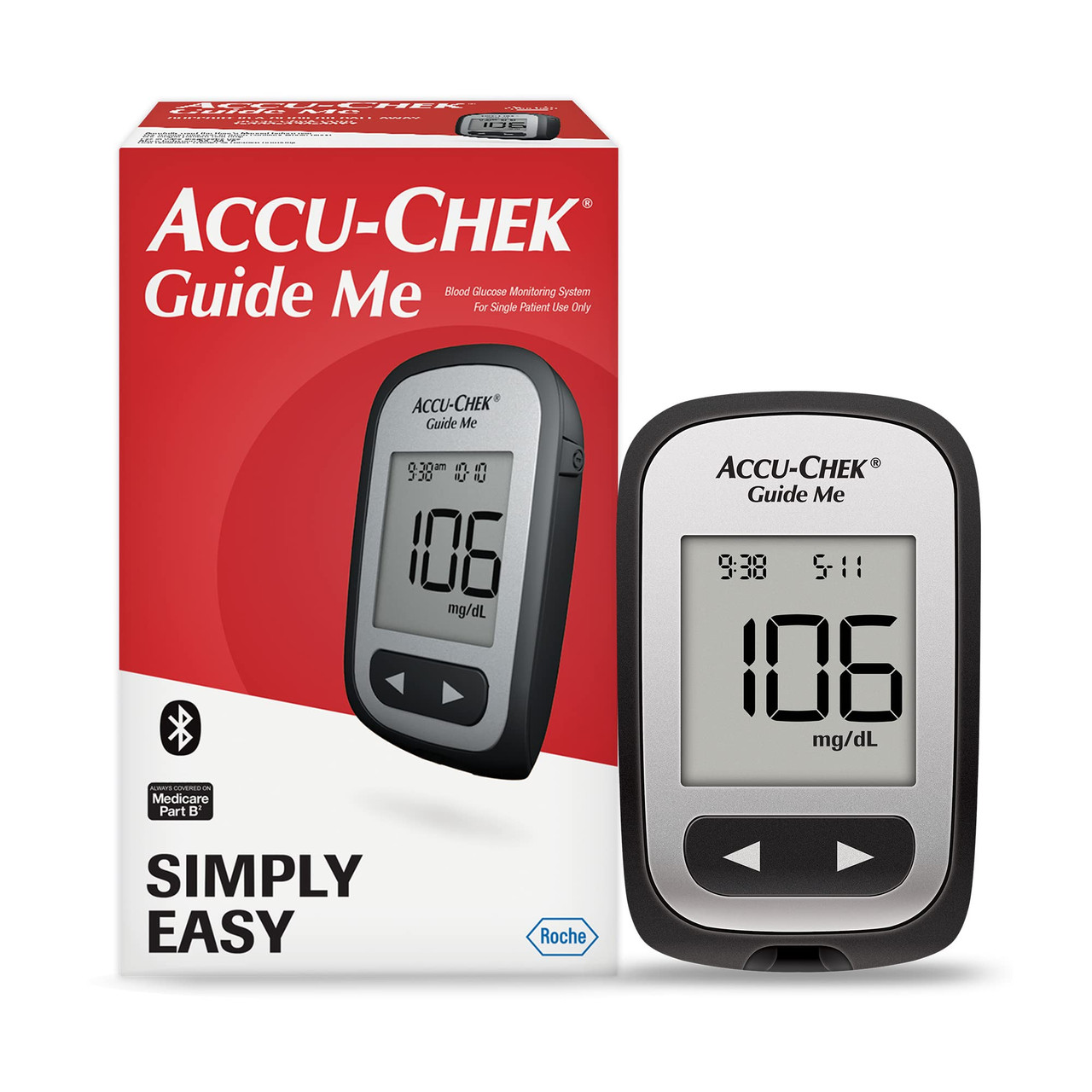
You may have noticed that CareSens N Test Strips have a lower profit margin at 28.6% than the big-name test strips like Contour Next, Accu-Chek Guide, and OneTouch Verio. CareSens N Test Strips are typically purchased without health insurance and pharmacy benefits managers (PBMs). This removes layers of cost which means these test strips can sell at a lower price, especially for those looking for the cost of test strips without health insurance. We'll look at this further in the next section detailing how your choice of brands dictates your long-term cost.
Why It Matters
Bringing these well-known entities into the conversation makes the complex network of the diabetic test strip market more relatable. Understanding the influence of wholesalers, PBMs like CVS Caremark, Express Scripts, and OptumRx, and insurance giants such as UnitedHealthcare, Anthem, and Humana, along with Medicare, is essential for grasping the full picture of why diabetic test strips are priced as they are. Each layer adds to the complexity of the pricing structure, underscoring the multifaceted nature of diabetic test strip pricing.
 VS
VS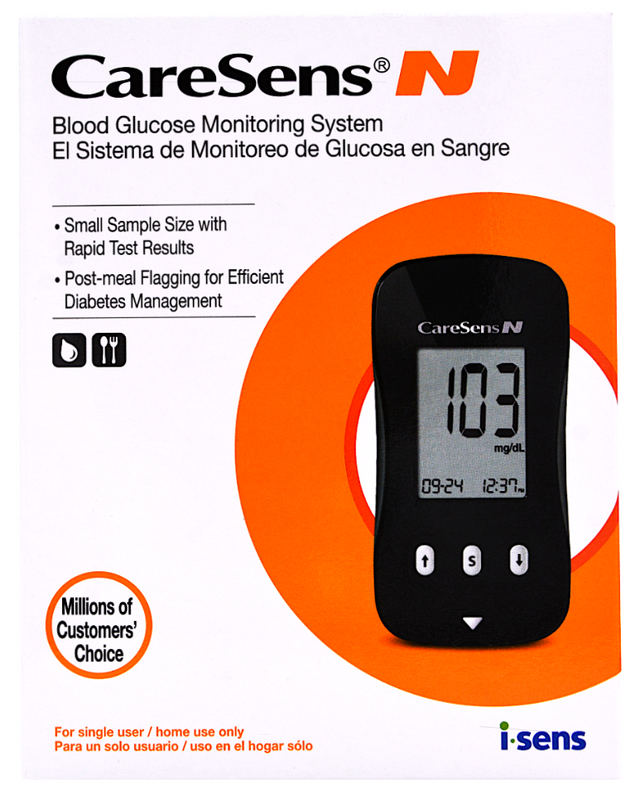
3. Blood Glucose Meter / Test Strip Brand
Nothing impacts your cost of test strips more than the brand you choose. The test strips manufactured by larger brands such as Abbott FreeStyle Lite, Ascensia Contour Next, OneTouch Verio, or Accu-Chek Guide command premium prices due to their accuracy and high availability. In addition, many large health insurance companies and pharmacy benefits managers work with these larger manufacturers to secure discount prices for their covered individuals.
While this situation may work for people with insurance, who typically only pay their health insurance co-pay, this makes it extremely expensive for people without health insurance or who have to pay out of pocket for their test strips.
In addition, the larger brands limit the supply of their test strips by only working with large retail pharmacies like Walgreens or CVS and large online retailers like Amazon and Walmart. By not selling to independent pharmacies and smaller online retailers, these brands limit competition for their products resulting in higher prices paid by consumers. In addition, to only working with larger retailers, they limit supply on eBay and other marketplaces ensuring the price of test strips stay high.
Discount Test Strip Price Comparison
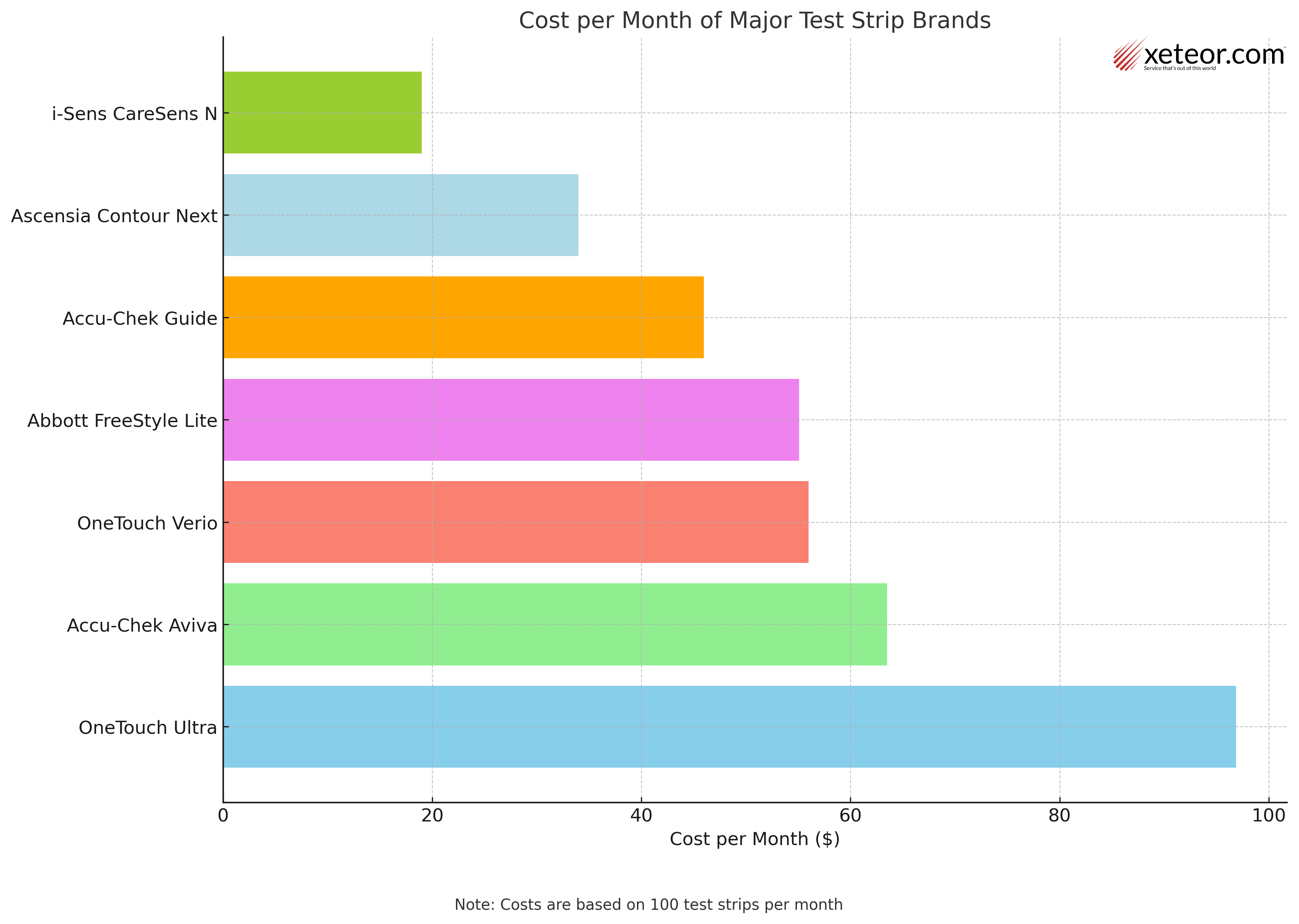
In November 2023, we compared the cost of test strips if you were to switch from a major test strip brand like OneTouch Verio, Accu-Chek Guide, or Ascensia Contour Next to CareSens N test strips. At up to $1,000 annually, the savings are staggering if you were to switch brands, especially if you are looking for the the lowest price for test strips without health insurance or Medicare.
Discount Test Strips Prices - November 2023
| Brand | Cost / Month | Cost / Year | Savings |
|---|---|---|---|
| OneTouch Ultra | $96.88 | $1,162.56 | $934.80 |
| Accu-Chek Aviva | $63.49 | $761.88 | $534.12 |
| OneTouch Verio | $55.98 | $671.76 | $444.00 |
| Abbott FreeStyle Lite | $55.08 | $660.96 | $433.20 |
| Accu-Chek Guide | $45.99 | $551.88 | $324.12 |
| Ascensia Contour Next | $33.98 | $407.76 | $180.00 |
| i-Sens CareSens N | $18.98 | $227.76 | $ - |
Test Strips with Health Insurance
If you're lucky enough to have insurance coverage for your blood glucose test strips, you'll most likely pick the brand your insurance dictates. This is usually Accu-Chek Guide, OneTouch Verio, or Ascensia Contour Next. You will only be responsible for the cost of your health insurance co-payment, however, insurance plans differ, so be sure to check with your insurance company.
Test Strips with Medicare
A link to the official Medicare Coverage of Diabetes Supplies, Services, & Prevention Programs from the Centers for Medicare and Medicaid Services is here.
- The number of supplies that Part B covers varies depending on whether or not you use insulin
- If you use insulin, you may be able to get up to 300 test strips and 300 lancets every 3 months
- If you don’t use insulin, you may be able to get 100 test strips and 100 lancets every 3 months
You can find more details about diabetic test strips and Medicare coverage here: Does Medicare Cover Diabetic Test Strips?
Test Strips Without Health Insurance
If you don't have health insurance, you have a choice on which blood glucose meter and test strips you want to use. The big brands like Abbott, Accu-Chek, OneTouch, and Ascensia can be expensive. Discount brands like True Metrix and CareSens are an excellent way to save money without compromising accuracy or quality.
A Final Thought: Diabetic Test Strip Box Type Matters (a lot)
We discussed the role of middlemen like wholesalers, health insurance, pharmacy benefits managers, and retailers and how they influence the price of test strips. Did you know that test strip manufacturers also create different boxes of the same test strip to further remove transparency and artificially inflate the cost of diabetic test strips?
Consumers often pay the highest price for test strips compared to health insurance or pharmacy benefits manager companies. Let's look at Ascensia Contour Next as an example, since they often promote the price of their test strips are less than your insurance co-pay.
By purchasing the 50-count box vs the 70-count box of Ascensia Contour Next Test Strips, you would save 18.4%. You read correctly, by simply buying a different box, you can lower the cost of your test strips.
We compare the cost of Ascensia Contour Next Test Strips at Amazon and Walmart who both carry the 70-count box. You can view the full comparison here.
18.4% Savings on the Cost of Ascensia Contour Next Test Strips
70 Count Box at Amazon / Walmart vs 50 Count Box
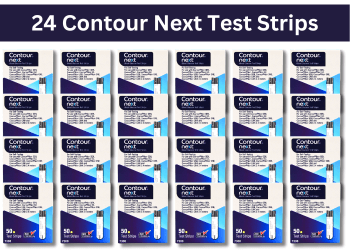
| 24 Boxes | Amazon | Walmart | Xeteor |
| Strips | 1,680 | 1,680 | 1,200 |
| Price | $637.92 | $637.92 | $371.76 |
| Cost / Strip | $0.38 | $0.38 | $0.31 |
| Shipping | Free | Free | Free |
| Membership | $14.99 | Free | Free |
| Shipping | 2 days | 2 - 5 days | 2 - 3 days |
| Sales Tax | Yes | Yes | NV Only |
| Returns | 30 days | 90 days | 100 days |
As we've explored the question of why diabetic test strips are so expensive, it's clear that the answer is multifaceted, deeply rooted in the intricate interplay of manufacturing, research and development costs, the complex web of middlemen, and the dynamics of brand influence and market competition. The investment in innovation and rigorous quality control necessary to meet regulatory standards and ensure patient safety is substantial, contributing significantly to the base cost of these essential medical supplies. Furthermore, the journey from production to patient is laden with intermediaries, each layer of the supply chain adding its own markup, illustrating the complexity of reducing prices in a system built on multiple profit centers.
The dominance of major brands and the competitive strategies they employ also play a pivotal role in shaping the market landscape, affecting everything from pricing to availability. Brands like OneTouch, Accu-Chek, Abbott, and Ascensia command premium prices, not solely because of their quality but also due to their established positions and negotiating power within the market. However, alternative brands such as True Metrix and CareSens offer a glimpse into the possibilities for more affordable diabetes management solutions, bypassing many of the traditional cost-adding layers by selling directly to consumers.
Understanding these dynamics empowers us as consumers to make informed decisions, seeking out value without compromising on the quality of care. It also underscores the importance of advocating for greater transparency and fairness in healthcare pricing. By questioning the status quo and demanding clearer insight into the factors that drive up costs, we can push for a healthcare system that prioritizes patient access and affordability.
In conclusion, the high cost of diabetic test strips is a symptom of broader systemic issues within healthcare and medical supply chains. While navigating this landscape can be challenging, informed choices and collective advocacy hold the power to drive change, making diabetes management more accessible for all who rely on these critical tools for their health and well-being.
About xeteor.com
xeteor.com, started in 2018 is based in Las Vegas, Nevada and is online pharmacy focusing on discount over-the-counter generic medications and diabetic test strips. We find deals normally reserved for "big pharma" and offer them to the consumer at discount prices. Ranking as the #1 authorized online reseller of Rugby Laboratories products according to Trustpilot.com, xeteor.com has 8,000+ 5-star reviews online, including Amazon, eBay, Trustpilot, and Google. xeteor.com is a Google Top Quality Store, earned by merchants that provide a great shopping experience.
Shipping Time & Cost
All items ship same day when purchased by 3 pm PST Monday - Friday. We offer free shipping nationwide with no minimum order. Shipping times are between 3 to 8 business days, with an average of 3.3 business days. A link to our full shipping policy is here.
Payment Options
We offer multiple convenient payment options, including Visa, Mastercard, Discover, American Express, Google Pay, Apple Pay, PayPal and Venmo.
Return Policy
We offer a 100% satisfaction guarantee. If you are not satisfied with the product, you may return it up to 100 days from the date of purchase. We offer free return shipping to ensure you can try the product risk free. A link to our full return policy is here.
How to Reach Us?
If you have questions about the product or need assistance, we are happy to talk on the phone. Call us at 1-833-787-4777 between 9 am - 5 pm PST Monday - Friday. You can also email us at [email protected] or text us at 702-659-7022. A link to our full contact us page is here.
Disclaimer: This post is intended for informational purposes only. It is not a substitute for professional medical advice, diagnosis, or treatment. Always consult your doctor or another qualified health provider with any questions you may have regarding a medical condition or before starting any new treatment. Do not disregard professional medical advice or delay in seeking it because of something you have read in this post.